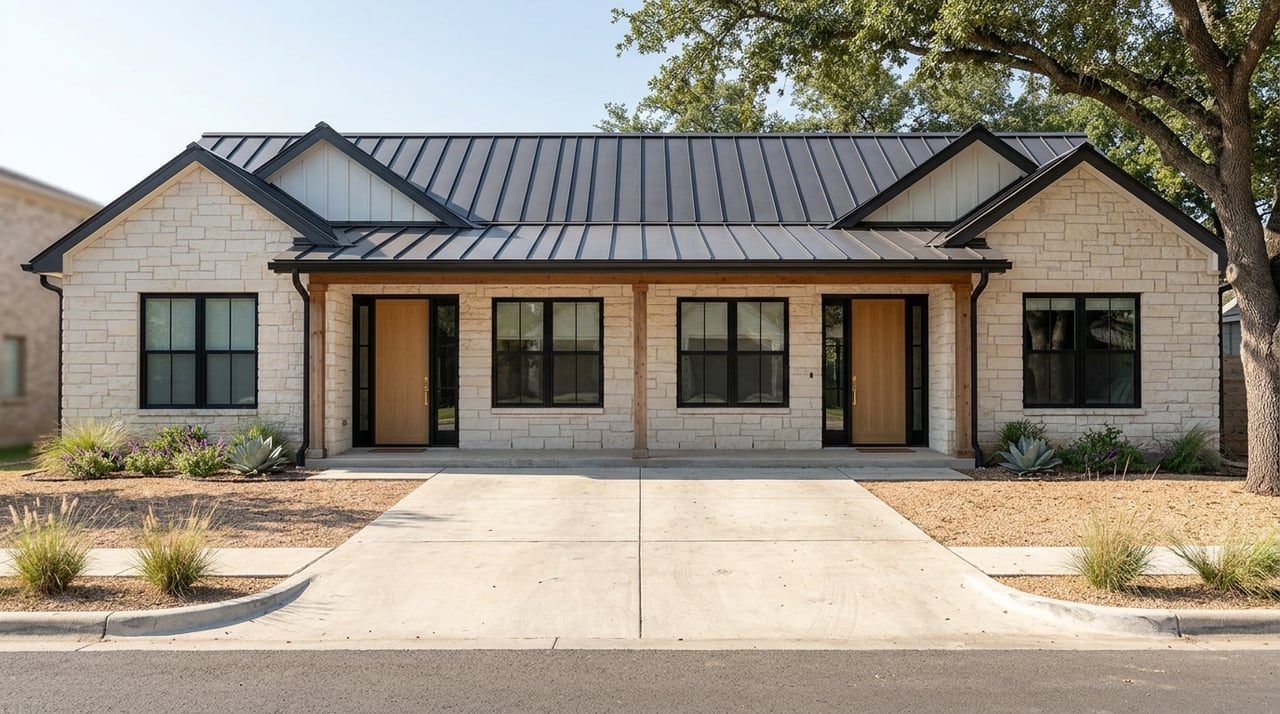
If you have been thinking about buying your first rental property in Temple, you are not alone. A lot of buyers are looking at Central Texas and wondering if a small rental could be a smart long-term move. The good news is that Temple gives you several practical entry points, and with the right numbers and local guidance, you can start with more confidence. Let’s dive in.
Why Temple stands out for rental investing
Temple is a mid-sized Central Texas city with an estimated 2024 population of 96,267. Census QuickFacts also shows a 52.3% owner-occupied housing rate, a median owner-occupied home value of $239,000, and a median gross rent of $1,174. Those numbers help paint a picture of a city with both homeowner demand and a meaningful renter base.
Temple also has a local economy that is closely tied to health care. The Temple Chamber describes the city as a major medical community, and Baylor Scott & White Health identifies Temple as a flagship academic medical center in its system. While those sources describe the local economy rather than rental performance directly, it is reasonable to see health-care employment and related relocations as support for ongoing renter demand.
The city’s 2025-2029 Consolidated Plan adds more context. It reports that 61.5% of renter households spend more than 30% of income on housing, and the vacancy rate fell to 7.8% in 2023. For you as an investor, that suggests affordability pressure is real and that reasonably priced, well-kept rentals may attract attention.
Start with the property types Temple already has
Temple’s housing stock is still led by single-family homes. The city reports that about 66% of residential properties are detached homes, with smaller shares made up of 2-4 unit properties, larger multifamily buildings, and mobile homes. That matters because your best first investment is often the type of property the market already supports well.
For many first-time investors, that points to practical options like a detached 3-bedroom, 2-bath home, a modest starter house, or in some cases a manufactured home or small multifamily property. This is not a guarantee of performance in every area, but it does reflect the city’s current housing mix. It also lines up well with Amy Kirk’s local experience across single-family homes, manufactured homes, and land-based opportunities.
Temple’s housing plan also shows that renter households are more evenly split across one-bedroom, two-bedroom, and 3-plus-bedroom units than owner-occupied homes are. That gives you flexibility. You do not have to assume only one type of rental will work, but you should match the property to the likely renter profile in that part of Temple.
Understand Temple rent numbers before you buy
One of the biggest mistakes new investors make is using one rent figure and treating it like a promise. In Temple, current rent benchmarks vary depending on the source and the type of property being measured. That means you should treat citywide rent data as a starting point, not your final underwriting number.
Here is how current asking-rent snapshots compare:
| Source | Rent Data |
|---|---|
| Census QuickFacts | Median gross rent: $1,174 |
| Zillow snapshot | Average rent: $1,595 |
| Apartments.com | Studio: $751, 1BR: $1,031, 2BR: $1,213, 3BR: $1,676 |
| Rentometer | Studio: $756, 1BR: $1,120, 2BR: $1,263, 3BR: $1,709, 4+BR: $2,013 |
These differences do not mean one source is wrong. They usually reflect different samples, property mixes, and timing. The practical takeaway is simple: use these numbers as directional benchmarks, then compare them against current local comps for homes that closely match the property you want to buy.
That step matters even more in Temple because the median gross rent from Census data is lower than many current asking-rent snapshots. A likely reason is that occupied legacy units and active listings are measuring different parts of the market. If you are looking at a newer 3-bedroom house, your likely rent range may look very different from the citywide median.
Focus on realistic numbers, not best-case numbers
A rental property can look great on paper if you only subtract the mortgage. That is not enough. A better first-pass review is to estimate monthly rent, then subtract the costs that actually come with owning and operating the property.
At a high level, you will want to account for:
- Mortgage principal and interest
- Property taxes
- Insurance
- HOA dues, if any
- Property management, if you plan to use it
- Repairs and routine maintenance
- Vacancy
- Utilities paid by the owner
This kind of math gives you a clearer picture of whether a deal is workable. It also helps you avoid buying a property that only performs well in a perfect month. If the numbers are tight before you account for repairs and vacancy, that is a sign to slow down and reevaluate.
Use local comps for Temple underwriting
Temple is not a one-price market. Rent can shift based on property type, age, condition, bedroom count, and the current competition nearby. That is why using local comps is more helpful than relying on a single city average.
If you are comparing two homes, ask questions like these:
- Is this a house or an apartment-style unit?
- How many bedrooms and bathrooms does it have?
- Is it updated or dated?
- What condition is the roof, HVAC, and major systems in?
- Are similar rentals currently available nearby?
- Would the property likely compete on price, condition, or both?
Amy Kirk’s website can be especially useful here as a screening tool. The Temple neighborhood page includes MLS-backed inventory with filters, listing pages include MLS IDs, and buyers can request a tour directly. For an investor, that makes it easier to compare Temple properties quickly and narrow down which ones are worth a deeper look.
Plan for condition and reserve costs
In Temple, lower-priced properties may offer a more approachable entry point, but they may also require more careful inspection and reserve planning. The city’s housing analysis notes a need for more affordable units and more multifamily supply. While that is not a rule about any specific property, it is a good reminder that budget-friendly purchases can come with repair risk.
Before you buy, look closely at big-ticket items like roofing, foundation, plumbing, electrical systems, and HVAC. A property that seems like a deal can become expensive fast if several major systems are near the end of their life. Keeping a repair reserve from day one can help you stay steady when those costs show up.
This is especially important if you are buying an older starter home or a manufactured home. These properties can still fit a strong investment plan, but they reward careful due diligence. In many cases, the inspection and reserve strategy matters as much as the purchase price.
Know the basic Texas landlord rules
If you plan to hold rental property in Temple, you should understand a few basic Texas landlord obligations before you close. Under Texas Property Code Section 92.052, a landlord must make a diligent effort to repair or remedy a condition that materially affects the physical health or safety of an ordinary tenant, assuming the tenant has given notice and is not delinquent in rent. The law generally does not require a landlord to fix conditions caused by the tenant, members of the household, or guests beyond normal wear and tear.
If a landlord needs to remove an occupant for nonpayment or because the occupant stayed past the lease term, Texas Property Code Section 24.005 generally requires at least three days’ written notice to vacate before filing a forcible detainer suit, unless the lease sets a different notice period. For you, this is a reminder that rental investing is not just about buying well. It is also about operating responsibly and understanding the process before issues arise.
A simple way to choose your first Temple rental
If you are just getting started, keep your search simple. Look for a property type you understand, in a price range where you can comfortably carry reserves, and with rent potential supported by current local comps. You do not need the perfect deal. You need a property that makes sense on realistic terms.
A practical first-rental checklist might look like this:
- Choose a property type common in Temple, such as a detached single-family home
- Compare asking rents from multiple sources
- Verify likely rent using current local comps
- Estimate operating costs conservatively
- Build in vacancy and repair reserves
- Review condition carefully before making an offer
- Learn the basic Texas landlord responsibilities
- Talk through financing, tax, and insurance questions with the right professionals
That approach helps you make decisions with a clear head. It also keeps you from chasing a property based only on hopeful rent projections.
Why local guidance matters
Temple is a market where local detail matters. Two homes with the same bedroom count can perform very differently based on condition, layout, and competition. Having a neighborhood-focused agent on your side can help you spot better opportunities faster and avoid properties that look stronger online than they do in person.
Amy Kirk’s approach fits especially well for first-time buyers and small investors who want straightforward advice and practical next steps. With local MLS access, neighborhood-focused search tools, and hands-on service across Temple and nearby Central Texas communities, you can move from browsing to a more informed investment strategy without feeling overwhelmed.
If you are thinking about buying your first rental in Temple, start with the basics, stay realistic with your numbers, and lean on local market insight. When you are ready to compare properties, talk through options, or narrow your search, connect with Amy Kirk for practical, local guidance.
FAQs
What rent should you expect for a rental property in Temple?
- Temple rent benchmarks vary by source and property type. Current snapshots range from about $1,031 for a one-bedroom apartment to around $1,676 to $1,709 for a three-bedroom unit, while Census QuickFacts shows a median gross rent of $1,174.
What property type is best for a first rental investment in Temple?
- A detached single-family home is often a practical starting point because Temple’s housing stock is dominated by detached homes, which make up about 66% of residential properties.
What costs should you include when analyzing a Temple rental property?
- You should include mortgage principal and interest, property taxes, insurance, HOA dues if applicable, property management, repairs, vacancy, and any owner-paid utilities.
What Texas repair duties should Temple landlords know?
- Texas law generally requires landlords to make a diligent effort to repair conditions that materially affect a tenant’s health or safety after proper notice, as long as the tenant is not delinquent in rent.
What notice is generally required before filing for eviction in Texas?
- Texas Property Code Section 24.005 generally requires at least three days’ written notice to vacate before filing a forcible detainer suit, unless the lease provides a different notice period.
How can you compare rental opportunities in Temple more efficiently?
- You can use MLS-backed local search tools, compare similar active listings, review property details carefully, and focus on current local comps instead of relying only on citywide averages.