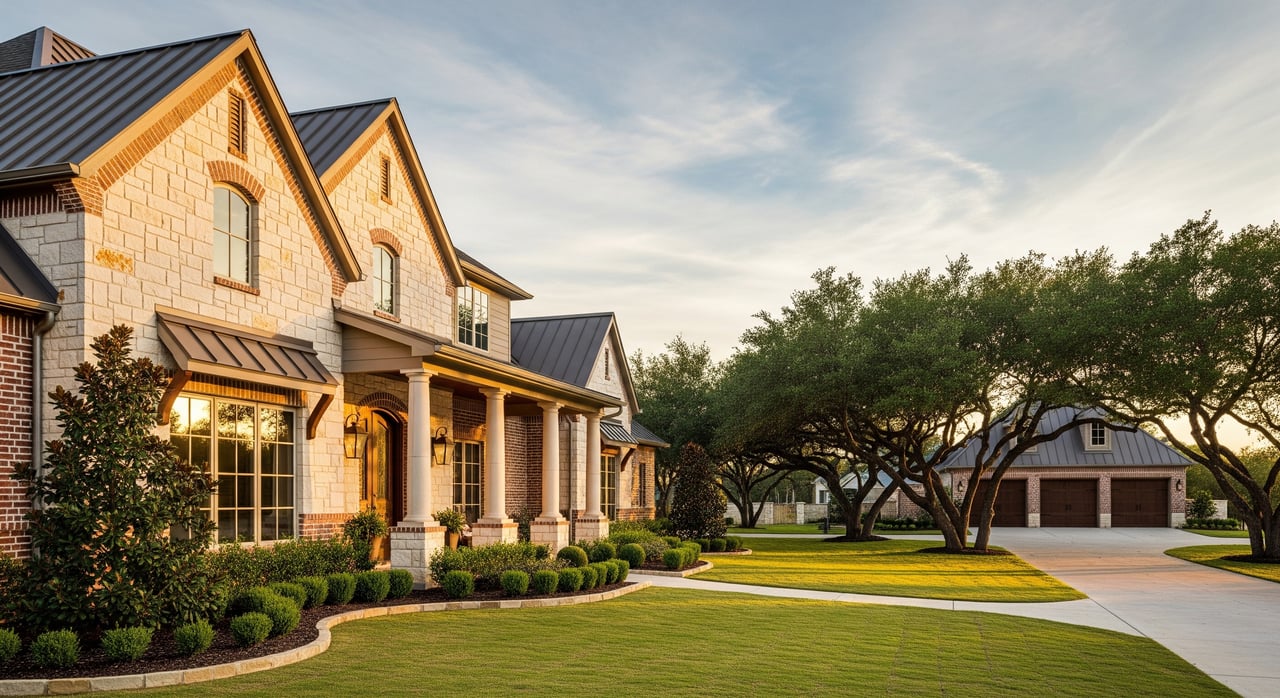
Outgrowing your current place and dreaming about more space, a better layout, or a shorter drive? In Temple, you have a wide mix of neighborhoods to choose from, each with different tradeoffs in lot size, home age, commute, and lifestyle. You want a clear, local guide that helps you compare options without the guesswork. In this post, you’ll learn how to pinpoint your top priorities and how Temple’s main neighborhood types stack up so you can focus your search with confidence. Let’s dive in.
Start with your move-up priorities
Before you scan listings, get clear on what matters most. This quick checklist helps you narrow your choices fast:
- Bedrooms and baths you need now, plus room to grow.
- Must-haves: a true primary suite, home office, two-car garage, pantry, flexible living space.
- Preferred layout: single story or two story.
- Lot goals: low-maintenance yard, or 0.5–1+ acre for privacy and outdoor living.
- Commute target: ideal drive time to your primary workplace.
- School and childcare logistics: preferred district and access to programs that fit your needs. Confirm boundaries with the district before you buy.
- Amenities and lifestyle: walkable dining and shops or quiet streets and a bigger backyard.
- Monthly budget: include property taxes, HOA fees if any, utilities, and maintenance.
- Resale factors: nearby development, road projects, and school assignments that can influence value.
Keep your top three must-haves at the front of your search. Everything else can be a nice-to-have.
How Temple’s location shapes choices
Temple sits at the crossroads of I-35 and US-190, with quick connections to Belton, Killeen, and Waco. Many buyers plan around access to these routes for daily commutes. Baylor Scott & White Medical Center is the single largest employer in Temple, so living near the medical campuses is a common priority. Regional jobs in Killeen and the surrounding manufacturing and distribution centers also influence where buyers land.
If you work in Temple, you may value an in-city neighborhood with simple arterial access. If your routine takes you toward Fort Cavazos or further along I-35, proximity to the highway can be a bigger factor than exact neighborhood. Knowing your commute target helps you filter neighborhoods fast.
Temple neighborhood types at a glance
Every area offers a different mix of home age, lot size, and lifestyle. Use these categories to compare apples to apples.
Downtown and historic Temple
- Housing style: Craftsman, bungalow, and other early 20th-century homes, with a mix of renovated properties and tasteful infill.
- Lot size: Smaller lots with mature trees and established landscaping.
- Amenities and lifestyle: Walkable access to downtown dining, shops, and local culture. Often a convenient drive to Baylor Scott & White.
- Commute profile: Short to moderate in-city drives to medical and central employers.
- Tradeoffs: You often trade larger square footage for character and location. Floor plans may be less open, and some homes need renovation or system updates.
Established mid-century neighborhoods
- Housing style: Primarily 1960s to 1980s ranch and split-level homes. Many offer solid bones and generous common areas.
- Lot size: Medium yards, often fenced with room for pets and play.
- Amenities and lifestyle: Quick access to parks, schools, and everyday retail. These areas feel “close-in suburban.”
- Commute profile: Central access to major corridors for reliable cross-town drives.
- Tradeoffs: Good value per square foot, but kitchens, baths, and HVAC may need updates. Budget for cosmetic refreshes and energy improvements.
Newer subdivisions inside city limits
- Housing style: Late 1990s to present, with open floor plans, primary suites, and attached garages.
- Lot size: Small to medium private yards with an emphasis on community amenities.
- Amenities and lifestyle: Planned features such as pools, playgrounds, and trails. HOAs are common and maintain shared spaces.
- Commute profile: Convenient access to US-190 and other arterials that keep in-city drives predictable.
- Tradeoffs: Newer homes often carry a price premium within the same size range, and HOA fees apply. Private yards may be smaller than older areas.
Outer suburbs and semi-rural acreage
- Housing style: Newer builds and custom homes, including ranch and contemporary designs.
- Lot size: From roughly half an acre to several acres, depending on location.
- Amenities and lifestyle: Fewer walkable options. You trade drive time for privacy, outdoor living, and room for hobbies.
- Commute profile: Longer drives to central Temple employers, better suited if you want space and do not mind a car-centric routine.
- Tradeoffs: More land means more maintenance. Some properties rely on well and septic instead of city utilities, which adds unique inspection and care needs.
Border communities and nearby small towns
- Housing style: From suburban subdivisions to rural estates, with a variety of price points. Some areas offer higher-end options.
- Lot size and amenities: Varies widely. Many buyers appreciate small-town main streets, parks, and community events.
- Commute profile: Reasonable for those who prefer living outside Temple and do not mind the drive. Exact times depend on location and route.
- Tradeoffs: Different school districts and emergency service coverage patterns. Always confirm your district, utilities, and any city versus county differences that can affect taxes.
Price and cost factors to compare
Even without exact numbers, you can compare total monthly costs across neighborhoods:
- Property taxes: Rates vary by taxing authority. Confirm the parcel’s current assessed value and total rate before you write an offer.
- HOA fees and rules: Newer subdivisions often have HOAs that add monthly or annual fees and set property standards. Review documents for rules that affect your plans.
- Utilities: Inside city limits usually means city water and sewer. In outer areas, well and septic require specialized inspections and routine maintenance.
- Age and condition: Older homes may need roof, HVAC, or foundation work. Newer homes may have warranties but smaller lots and HOA requirements.
- Insurance: Replacement cost and risk factors can vary by area and home age. Ask your insurance agent for a quote early.
If you want today’s price ranges, use recent MLS comps for each neighborhood type. A quick snapshot of current active listings and recent closed sales will help you set a realistic budget before touring.
Commute and daily life
The right neighborhood saves you time every week. Start by setting a target drive time for your primary commute and test it during your actual peak hours. If you work at Baylor Scott & White, a central or east-side location can cut minutes off your day. If you often travel toward Killeen or Belton, proximity to US-190 and I-35 may matter more than the exact subdivision.
Think beyond the workday. Map daycare, schools, grocery runs, sports fields, and medical appointments. If you value walkability to restaurants and shops, the historic core can be a fit. If you prefer a quiet street for bike riding and backyard time, an established mid-century or newer in-city subdivision may deliver the right balance. If weekend space and privacy top your list, a semi-rural property outside city limits may be worth the drive.
How to narrow your shortlist in 7 steps
- Define your budget and monthly payment target, including taxes, HOA, and insurance.
- Choose your must-haves: layout, bedrooms, and non-negotiable features.
- Pick your commute tolerance in minutes, then draw a logical search area.
- Decide your lot preference: compact yard, medium yard, or 0.5–1+ acre.
- Select your preferred school district and verify current attendance boundaries.
- Rank neighborhood types that fit your lifestyle: historic, mid-century, newer subdivision, or acreage.
- Pull recent MLS comps for each category to confirm price fit and set showing priorities.
Once you have 2 or 3 target areas, schedule back-to-back tours. Seeing homes side by side clarifies tradeoffs quickly.
Buying and selling at the same time
Move-up buyers often need to coordinate a sale and a purchase. Planning reduces stress and protects your budget.
- Timeline: Start with a net-proceeds estimate and a market-ready checklist for your current home. Aim to list shortly before or after your new-home search begins, depending on market conditions.
- Financing: Explore bridge financing, contingent offers, or rent-back options that give you flexibility between closings.
- Prep and marketing: Light updates, staging, and professional marketing can speed time to contract and support your offer strength on the buy side.
- Inspections and logistics: Line up roof, HVAC, and septic inspections early if you are considering older or acreage properties. Build these into your timeline.
A clear plan lets you move once, protect your equity, and avoid last-minute surprises.
Which neighborhood type fits you best?
- You want character and walkability: Focus on historic Temple. Expect cozy lots, charm, and the potential for renovation.
- You want space without leaving town: Look at established mid-century areas for larger rooms and yards, with updates as needed.
- You want low-maintenance and amenities: Newer subdivisions offer modern layouts and community perks, plus HOA upkeep of shared spaces.
- You want land and privacy: Semi-rural or outer suburbs deliver bigger lots and flexible use, with longer commutes and more maintenance.
- You want small-town appeal near Temple: Border communities balance local charm with reasonable drives, plus varied price points.
When you match your top priorities to one or two neighborhood types, your search becomes simpler and faster.
Ready to map your move-up plan? If you want a tailored shortlist based on your wish list and commute, or an instant valuation to see how far your equity can go, reach out to Amy Kirk. You will get local guidance, a clear plan, and responsive support from search to closing.
FAQs
How do I pick between a larger lot and a shorter commute in Temple?
- Start with a drive-time limit you can live with, then compare acreage options outside city limits to in-city homes with smaller yards, weighing time saved against outdoor space and maintenance.
What price range should I expect for a move-up home in Temple?
- Use recent MLS comps for the neighborhood types you like and set a monthly payment target that includes taxes, insurance, and any HOA fees to confirm a realistic budget.
How do I buy a bigger home and sell my current one without moving twice?
- Coordinate timing with your agent, explore bridge financing or rent-backs, and prep your current home to list quickly so you can align the two closings.
Are there Temple areas with lower taxes or fewer HOA restrictions?
- Older, established neighborhoods and some unincorporated areas may have no HOA or different tax structures, so confirm the parcel’s tax rate and utility setup before you offer.
Which Temple neighborhoods are best for schools?
- Identify your preferred schools first, then search within those attendance zones and verify boundaries directly with the district to ensure the home matches your goal.
How do local road projects affect commute times in Temple?
- Check current city and state transportation updates for planned projects, then test your commute during peak hours to see real-world drive times for your target areas.