Dreaming of a little more elbow room without giving up access to Waco or Temple? If you want space for a garden, a workshop, or even horses, the Bruceville-Eddy area delivers a quiet, country feel with practical drive times. Still, rural living comes with different rules, utilities, and maintenance. In this guide, you’ll learn what you can buy, how HOAs and deed restrictions work, what to expect for wells and septic, and how the commute really feels day to day. Let’s dive in.
Homes and lots you’ll find
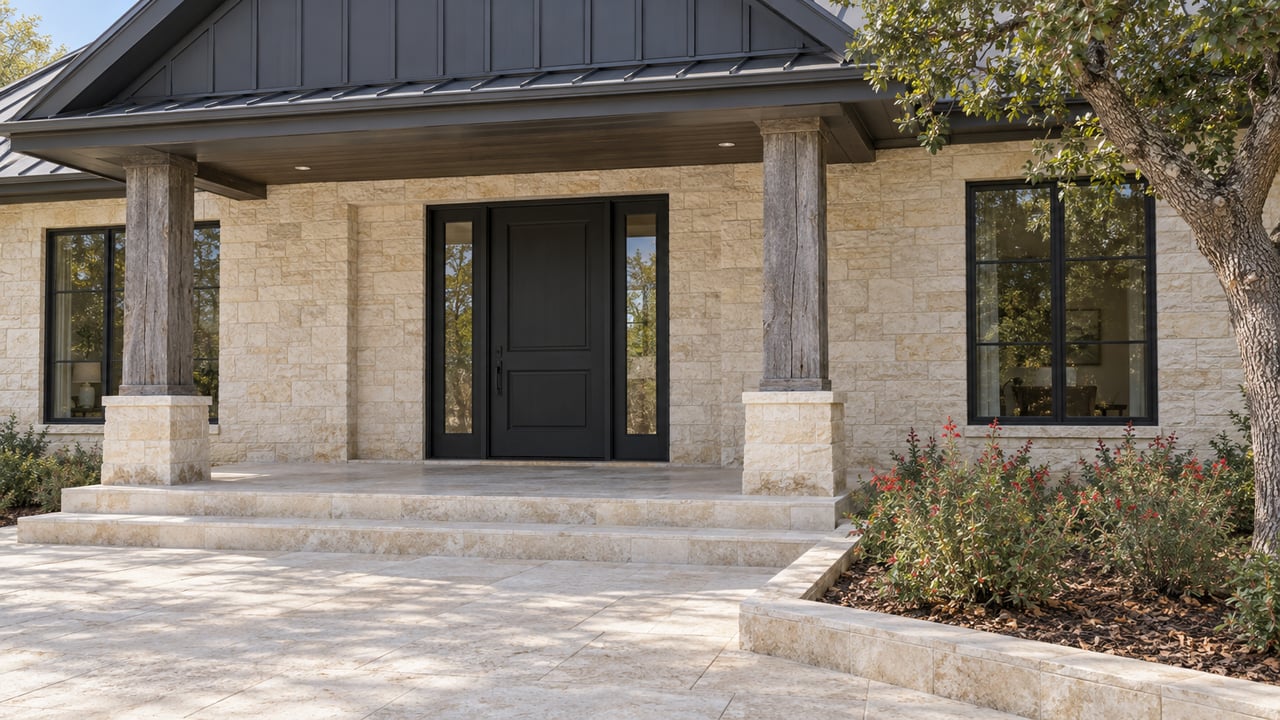
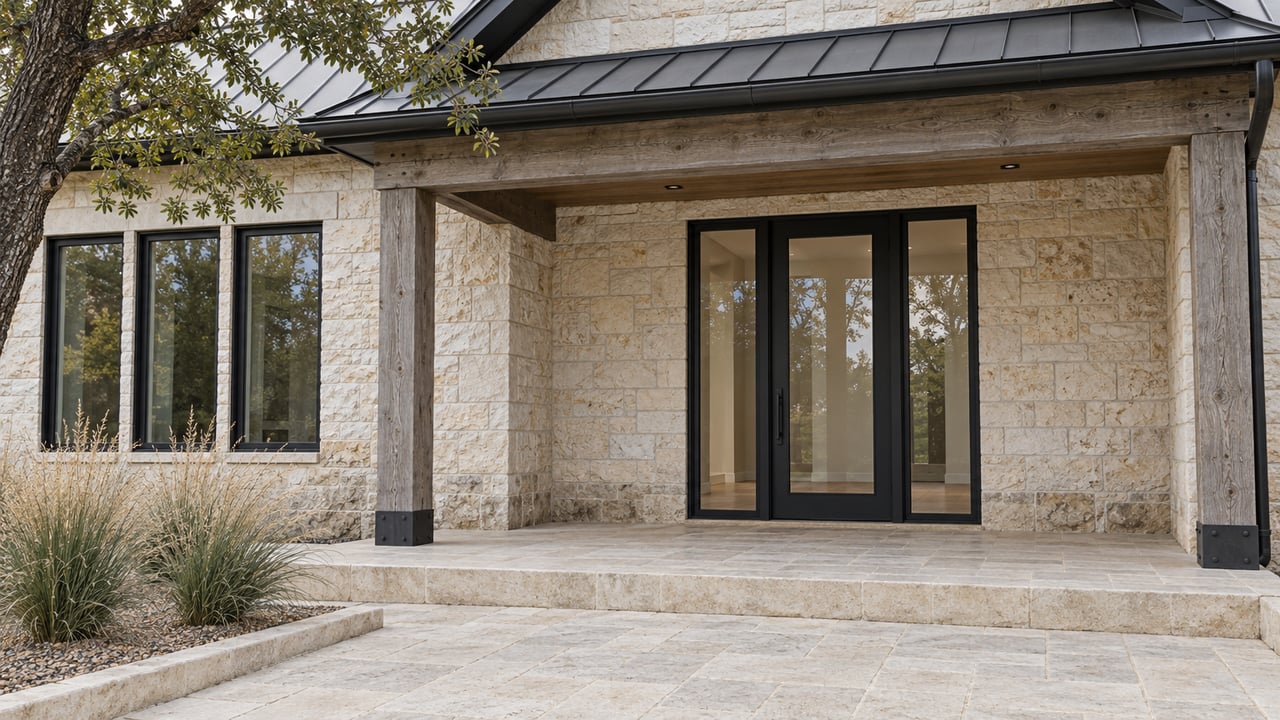
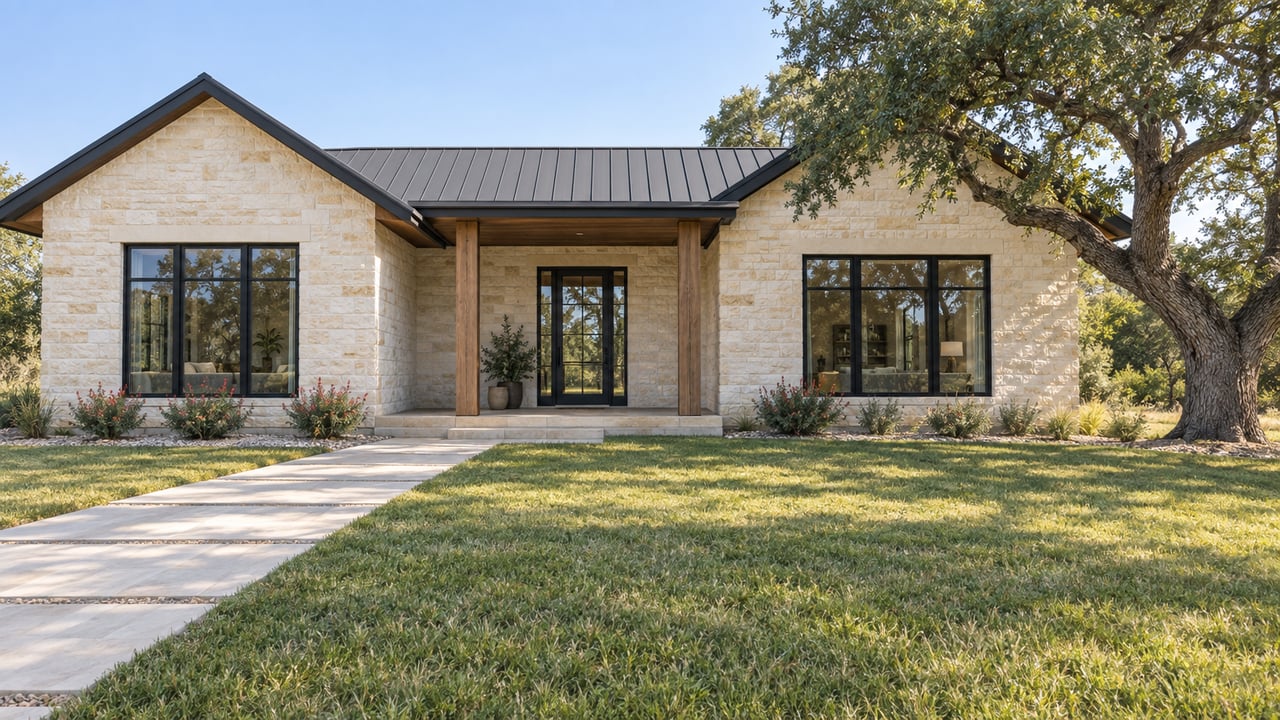
You’ll see a mix of acreage, small ranchette subdivisions, and single-family homes set on larger lots. Options range from raw land to move-in ready properties with outbuildings.
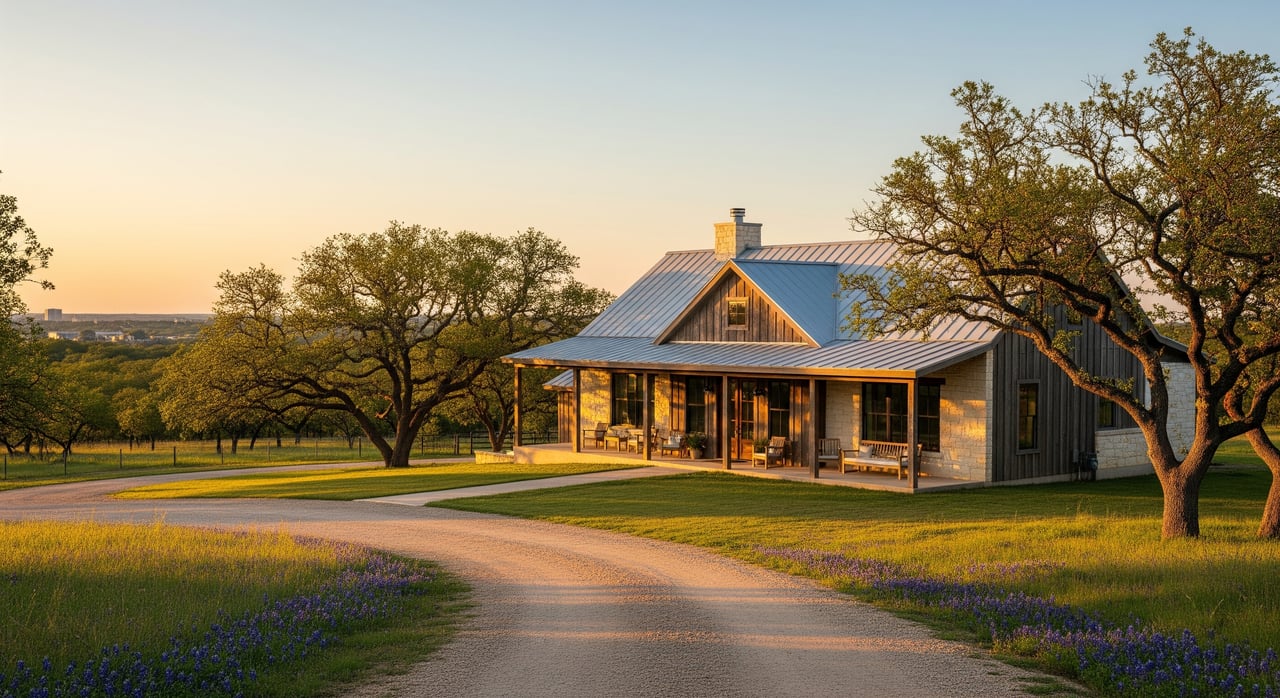
- Acreage and mini-ranches. Tracts from 5 to 100-plus acres are common for privacy, hobby farming, or horses. Many include barns, sheds, cross fencing, and space for livestock.
- Small subdivisions. Recorded “ranchette” neighborhoods often offer 1 to 5 acre lots with private roads and some shared rules. Expect semi-rural living with a few standards and variable fees.
- Site-built homes. Ranch-style and custom homes are typical on larger parcels. Finishes and utility setups vary widely.
- Manufactured or modular homes. These appear in some areas. Whether they are allowed depends on recorded covenants and local permitting.
Common features include mature trees, natural drainage, and sometimes creeks or ponds. Driveways may be unpaved, and streets often have less lighting and no sidewalks. Some properties feel turnkey with paved access and robust utilities, while others are rustic and need buyer investment. Plan your shortlist around how much improvement and maintenance you want to take on.
HOAs, POAs, and covenants explained
In much of unincorporated McLennan County, private covenants are the main land-use control. Small subdivisions may also have a Property Owners Association or a simple HOA to enforce rules and maintain private roads or shared water systems.
- Deed restrictions. Recorded covenants can address minimum home size, building setbacks, exterior materials, accessory structures, livestock, manufactured homes, and short-term rentals.
- HOA or POA role. Associations may handle road upkeep, gates, or shared utilities. Fee levels and enforcement vary. Some operate on a low budget and rely on owner cooperation.
- What to verify. Always request covenants, bylaws, amendments, and recent meeting minutes. Confirm dues, special assessments, any pending litigation, and who maintains roads and drainage.
Many properties also include easements for utilities, road access, and drainage. Ask how maintenance costs are allocated and whether road maintenance is mandatory.
Utilities and rural services
Rural utility setups differ from city neighborhoods. Knowing what serves a property helps you budget and plan.
Water and wells
Some subdivision lots tie into a public water system or a water supply corporation, but private wells are common. Review well drilling records, plan for annual water testing, and expect possible treatment systems if minerals or bacteria are present.
Septic and on-site sewage
Where municipal sewer is not available, homes use septic systems. Types vary by age and site. Get a septic inspection, request pumping and service history, and budget for routine maintenance. Protect the drainfield and avoid heavy water loads.
Power, gas, and heating
Electricity is provided by local investor-owned utilities or electric co-ops. Service capacity and upgrade costs can vary for remote tracts. Natural gas is limited in rural areas, so many homes rely on propane or electric heating.
Internet and cellular
Broadband access is variable. Options may include DSL in some pockets, fixed wireless, or satellite services, including newer low-earth-orbit providers. Cellular coverage can be spotty in places. Check carrier maps and test signal on-site.
Trash, mail, and emergency services
Trash pickup is often a private subscription or self-haul to a county site. Recycling options can be limited. Mail is typically rural route or mailbox clusters. Portions of McLennan County are served by volunteer fire departments. Response times can be longer than in town, so confirm local coverage and water access for fire suppression.
Maintenance to plan for
Country properties shine when you keep a steady maintenance rhythm. A simple plan can protect your investment and reduce surprises.
Routine schedule
- Septic pumping and inspections every 3 to 5 years, or more often with high usage.
- Annual well water testing and periodic pump and pressure tank service.
- Driveway and private road upkeep, including grading and culvert clearing.
- Fence repair, pasture care, weed and brush control, and tree trimming.
- Pest inspections for termites and other wood-destroying insects common in Central Texas.
- Insurance review for wind, hail, outbuildings, and liability related to animals.
Environmental checks
- Verify FEMA flood maps for the specific parcel and review drainage patterns on-site.
- Evaluate wildfire or brush fire exposure, clear defensible space, and follow local burn rules.
Commute to Waco and Temple
Interstate 35 is the primary route north to Waco and south to Temple. Many Bruceville-Eddy area properties are a short drive to I-35 interchanges.
- To Waco: about 20 to 30 minutes, depending on the exact location and traffic.
- To Temple: about 30 to 45 minutes, with timing affected by peak periods and construction zones.
Public transit options are limited for rural commuters, so most residents rely on private vehicles. If commuting is a key factor, test the drive during your normal rush hours. Remember that living farther out can add time for errands and after-school activities, while hybrid or remote work can make country living more practical.
Taxes, ag exemptions, and schools
Texas property taxes are handled locally. In McLennan County, owners may apply for an agricultural appraisal if the land qualifies for bona fide agricultural use such as livestock or hay production. Requirements include documentation and, in some cases, multi-year proof. For current tax rates, exemptions, and procedures, contact the McLennan County Appraisal District.
School assignments in the Bruceville-Eddy area are parcel-specific. Many residents are served by Bruceville-Eddy ISD, but nearby parcels may fall into adjacent districts. Always verify district boundaries and enrollment details with the appropriate school district before you purchase.
Buyer due diligence checklist
Getting the details right up front helps you buy with confidence.
Before you write an offer
- Review the recorded plat, restrictive covenants, HOA or POA bylaws, amendments, and recent financials or minutes if an association exists.
- Confirm lot boundaries and secure a recent survey if available.
- Check school district boundaries and utility availability for the exact parcel.
- Test-drive your commute at normal drive times.
Inspections and contract contingencies
- Full home inspection plus specialized checks for septic, well water flow and quality, roof, foundation, and all outbuildings.
- Pest and termite inspection.
- Verify permitted improvements and retrieve permit history from the county.
- Title review for easements, mineral reservations, and access rights.
After closing
- Set a schedule for septic pumping, well service, driveway upkeep, and fence and tree care.
- Open accounts with a trash hauler, propane supplier if needed, and reliable local trades for well and septic service.
- Review insurance coverage for outbuildings, wind and hail, and any animal-related liability. Add flood insurance if in a mapped risk area.
Is country living a fit for you?
If you want space, privacy, and a slower pace, the Bruceville-Eddy area offers a practical Central Texas option within reach of both Waco and Temple. The trade-offs include more hands-on maintenance, varied internet and cell service, and covenants that can shape what you build or keep on the property. With the right due diligence, you can match your wish list to a property’s rules, utilities, and commute. That is how you enjoy the land without surprises.
Ready to walk through options, review covenants, and map out your commute together? Reach out to Amy Kirk for local guidance, responsive communication, and a clear plan from search to close.
FAQs
What types of country properties are common near Bruceville-Eddy?
- You’ll find 5 to 100-plus acre tracts, small ranchette subdivisions on 1 to 5 acre lots, site-built homes on larger parcels, and some manufactured or modular homes based on recorded covenants.
How do HOAs or POAs work in rural subdivisions around Bruceville-Eddy?
- Many small subdivisions use a POA or low-budget HOA to enforce covenants and maintain private roads or shared water systems, with fees and enforcement that vary by community.
What should I know about wells and septic systems in McLennan County?
- Private wells and septic systems are common; plan for annual water testing, a septic inspection with pumping records if available, and routine maintenance to protect your system and soil.
How long is the commute from Bruceville-Eddy to Waco or Temple?
- Typical drives are about 20 to 30 minutes to Waco and 30 to 45 minutes to Temple via I-35, with traffic, construction, and exact property location affecting your time.
Can I keep livestock, build a workshop, or place a manufactured home?
- It depends on recorded deed restrictions and any HOA or POA rules for the specific parcel, including minimum home size, accessory structures, livestock allowances, and manufactured home permissions.
How do agricultural exemptions affect property taxes locally?
- Qualifying land in agricultural use may receive an agricultural appraisal that lowers taxable value; requirements and documentation are set by the McLennan County Appraisal District.