If you are wondering whether Salado is the kind of place that feels peaceful without feeling isolated, the answer is that it offers a little of both worlds. You may be looking for a town with local character, an easier pace, and enough going on to keep daily life interesting. This guide will help you picture what everyday life in Salado can actually feel like, from Main Street and local events to housing options and commute rhythms. Let’s dive in.
Salado Has a Small-Town Rhythm
Salado is a historic village in Bell County with 2,394 residents across 2.8 square miles, according to the village community profile. That smaller size shapes daily life in a big way. You are more likely to notice the rhythm of the town, the familiar local spots, and the natural scenery around you.
The village describes Salado as a friendly, vibrant, rural community between Waco and Austin. It is known for Salado Creek, its Cultural Arts District, unique boutiques, and roughly 2,000 acres of surrounding beauty. In everyday terms, that can translate to a lifestyle that feels slower, more local, and more connected to place.
Main Street Is Part of Daily Life
One of the biggest parts of living in Salado is how much local activity centers around its historic core. The visitor guide highlights Main Street views, specialty boutiques, art classes, historic inns, live music, and dining. That mix gives the town a social feel without needing a big-city footprint.
If you enjoy the idea of running errands, grabbing coffee, meeting friends, or browsing local shops in a setting that feels distinctive, Salado stands out. Daily life here can feel less rushed and more experience-driven. Instead of always heading elsewhere for something to do, you may find plenty close to home.
Arts and Music Shape the Town
Salado is officially promoted as both a Cultural Arts District and a Music Friendly Community. That matters because it suggests the arts are not just occasional entertainment here. They are woven into the identity of the town.
Official music community pages list places like The Shed, Greenfield Coffee, Solas Gallery, and Lucy’s Icehouse among the local venues and gathering spots. In practical terms, that means food, drinks, music, and community life often overlap. You can picture a normal week including a casual outing with live music rather than saving all entertainment for special occasions.
Royal Street Adds Energy
The Royal Street District adds another layer to that lifestyle. According to the visitor guide, the area includes art studios, jewelry makers, a brewery, several restaurants and food trucks, boutiques, a taproom, and frequent live music. It is the kind of district that can make an ordinary evening feel a little more memorable.
The Royal Street Art Walk takes place on the fourth Friday of the month from March through October. For residents, recurring events like that can create a dependable social calendar and a stronger sense of community rhythm.
Events Keep the Calendar Full
Salado may be small, but its event calendar is active. Annual and recurring events listed in official tourism materials include the Wildflower Arts & Crafts Festival, North Bound & Down Music Festival, Salado Cowboy Poetry & Music Gathering, Salado Springs Beer Festival, Salado Art Fair, Sirena’s Creekside Carnaval, Christmas in October, Scottish Gathering & Highland Games, and the Salado Christmas Stroll.
Current listings also include things like a farmers market, run club, live music, and music bingo. That variety can make everyday life feel fuller and more connected. Even if you do not attend every event, it helps to live in a place where something local is often happening.
Outdoor Spaces Add Balance
Life in Salado is not just about shops and events. Outdoor spaces play an important role too. The village lists places such as the Green Walking Bridge, Sirena Park, Pace Park, and the community garden behind the Civic Center.
These are the kinds of places that can shape your routine in simple ways. You might take an evening walk, spend time by the creek, or enjoy a community event in a local park. That access to public outdoor space helps support the relaxed, village-style atmosphere many buyers are looking for.
Tablerock Brings Nature and Events Together
Tablerock Amphitheater adds even more to the local lifestyle picture. It includes a 13.5-acre park, 1.5 miles of trails, and community events such as the Poetry Festival, the Fright Trail, and the Holiday Lights Trail.
That combination of trails and programming is part of what makes Salado feel layered rather than sleepy. You get the quieter pace of a smaller town, but you still have local places that bring people together throughout the year.
Salado Is Connected by Car
Salado’s setting along I-35 is a major part of daily life. The village notes that it sits between Waco and Austin, and the area functions within a broader Bell County travel corridor. For many residents, that means Salado can offer a more small-town home base while still keeping other work, shopping, and service areas within reach.
Commute data shows that 66.1% of workers drive alone, 9.45% carpool, and 23.1% work from home. The average one-way commute is 24.6 minutes, and households average about two cars. Taken together, those numbers point to a car-oriented lifestyle rather than a transit-based one.
What That Means for Your Routine
If you are considering Salado, it helps to expect driving to be part of everyday logistics. You may head out on I-35 for work, appointments, shopping, or other errands beyond town. At the same time, Salado’s local dining, events, and public spaces can help you keep some of your day-to-day life close to home.
For many buyers, that balance is the appeal. You get a village atmosphere without being cut off from the larger Central Texas region.
Housing in Salado Has Variety
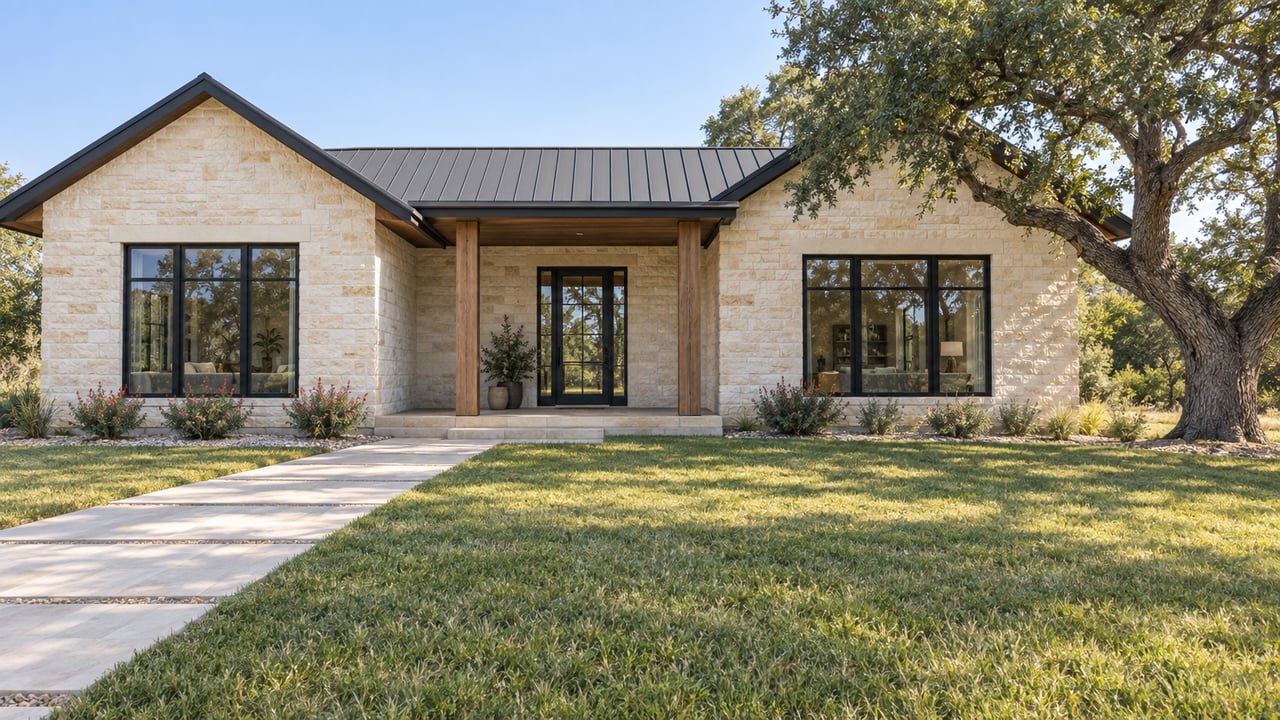
Salado planning documents say residential land use is predominantly low-density single-family detached homes. The same documents also note that medium-density townhome and duplex areas exist, and manufactured homes are interspersed in older parts of town. The village also indicates that low-density residential is expected to remain the largest share of future land use.
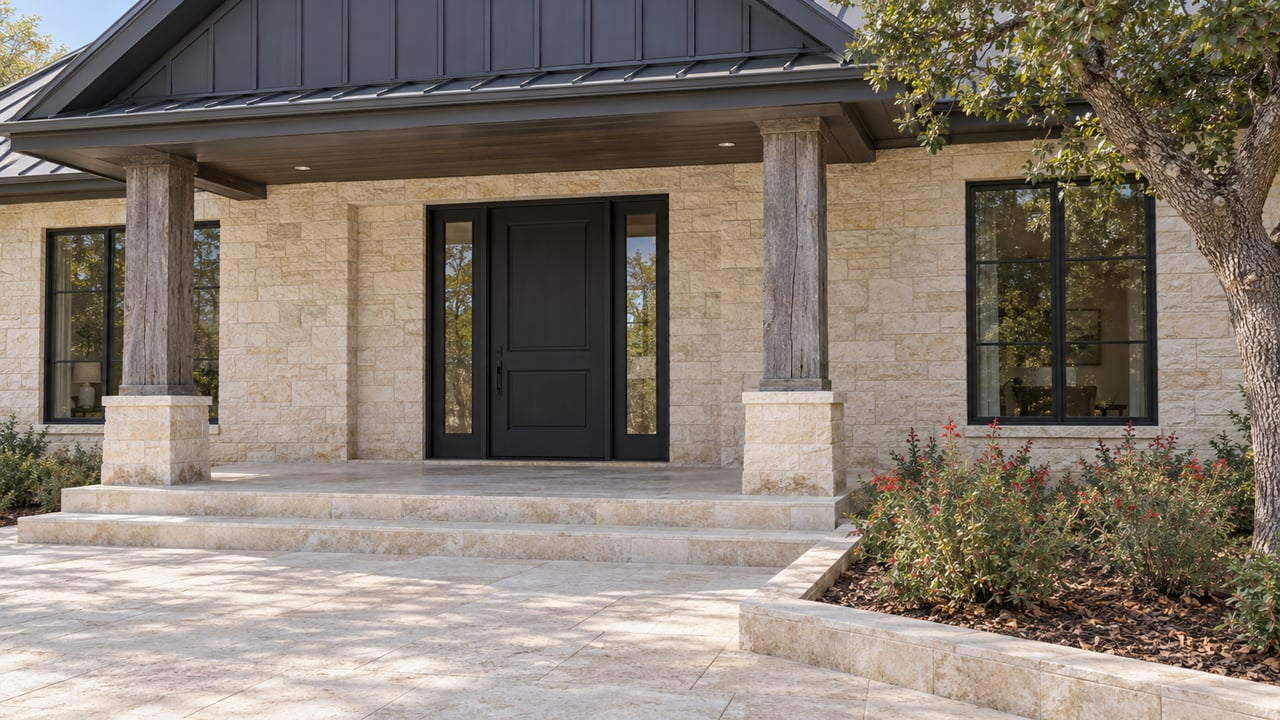
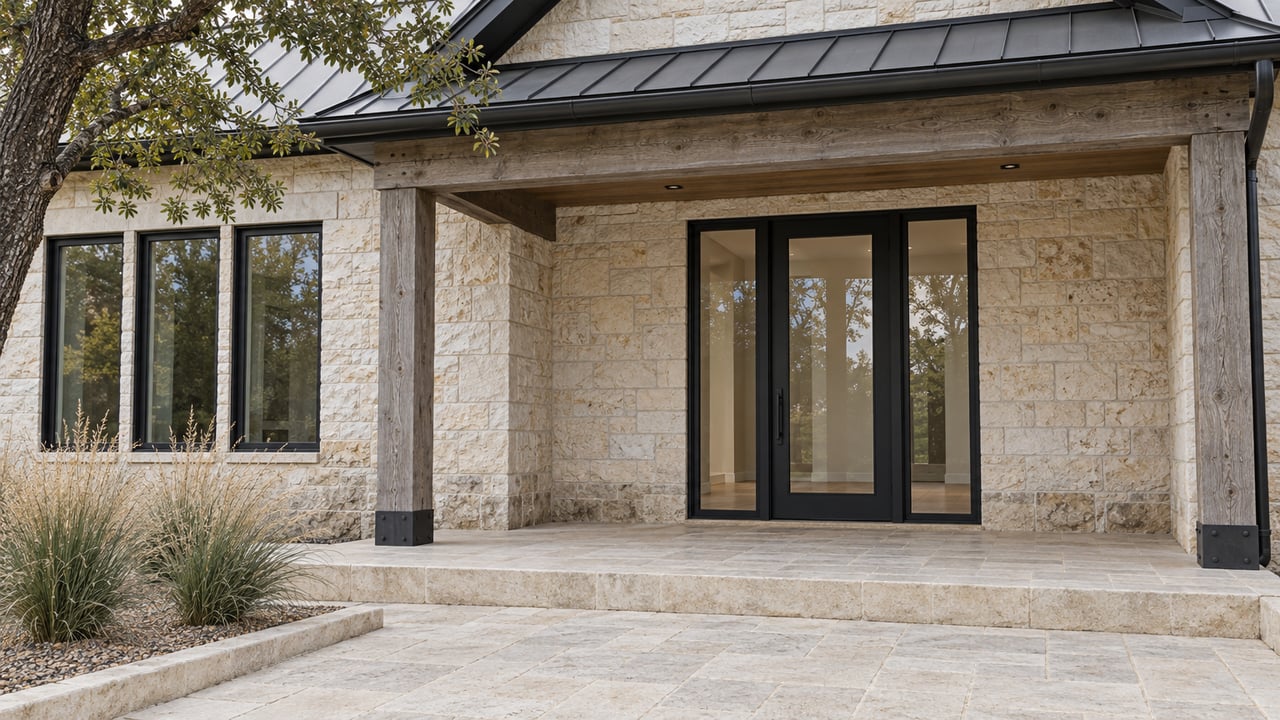
That means buyers often come to Salado for space, privacy, and a more residential setting. If you are hoping for a town with a strong single-family feel, the local planning framework supports that expectation.
What Buyers Commonly See
Current public listing snapshots show a mix that includes single-family homes, new construction, large-lot homes, acreage parcels, farms and ranches, land, and a smaller manufactured-home segment. Salado’s own development services pages also show active zoning, subdivision, and building permit activity, which suggests ongoing infill and new-home development.
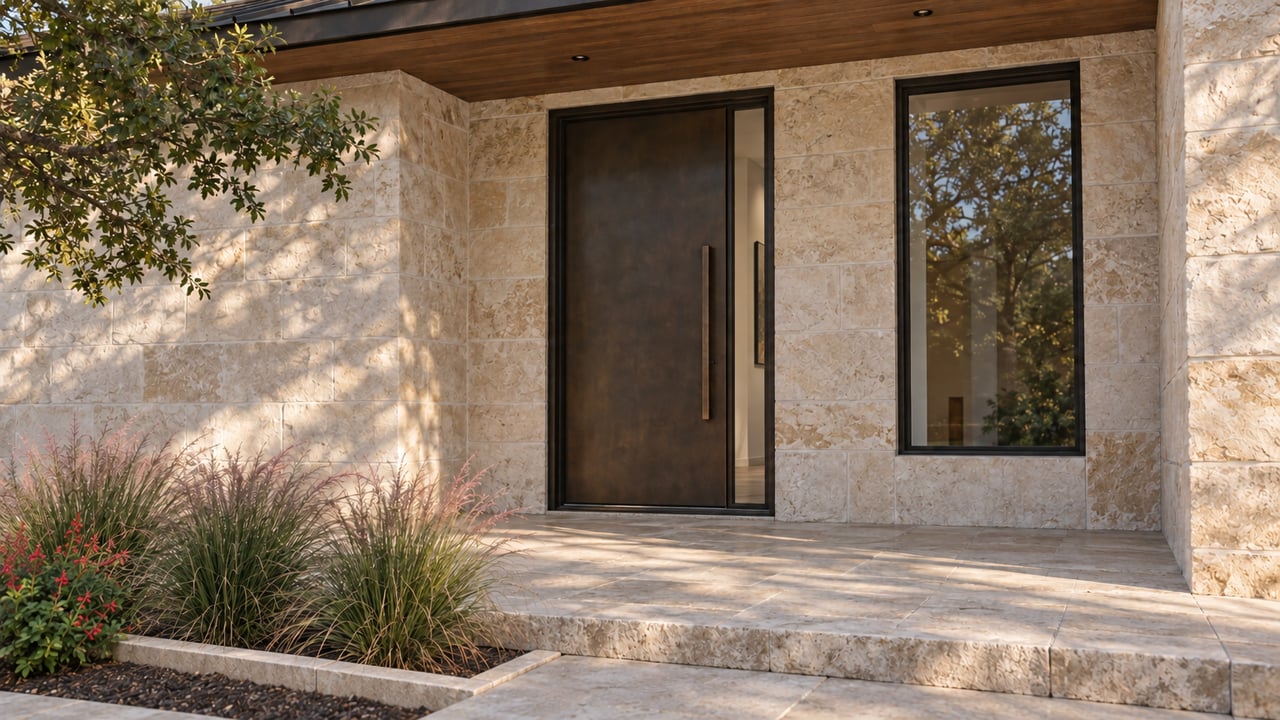
This is useful if you are trying to match a lifestyle to a property type. Some buyers may want a home near the village core, while others may prefer more land or a newer build. Salado can appeal to both, depending on what you want your daily life to look like.
Homeownership Is a Big Part of the Feel
DataUSA reports a median property value of $445,900 and an 87.4% homeownership rate in Salado. Those numbers reinforce the sense that Salado has a strong owner-occupied feel. In many cases, places with high homeownership can feel more rooted and residential in their day-to-day character.
For you as a buyer, that can mean a market where people are putting down deeper roots. For you as a seller, it can help explain why Salado often attracts buyers looking for more than just a house. Many are also searching for a lifestyle.
Who Salado May Fit Best
Salado can be a strong fit if you want a community that blends local charm, outdoor scenery, and a fuller event calendar than you might expect from a small village. It may also appeal to you if you are comfortable with a car-based routine and want access to the wider Central Texas area.
It may especially stand out if you are drawn to:
- Historic character and a distinct Main Street feel
- Local shops, dining, and live music
- Creekside scenery and public parks
- A small-town setting with freeway access
- Single-family homes, acreage, land, or new construction options
Every buyer defines lifestyle a little differently. In Salado, the strongest theme is balance. You get a place that feels personal and community-centered, while still staying connected to the larger region.
If you are thinking about buying, selling, or relocating in Salado, working with someone who knows the local feel can make your next step much easier. Amy Kirk offers hands-on guidance, local insight, and responsive support across Salado and nearby Central Texas communities.
FAQs
What is everyday life like in Salado, Texas?
- Everyday life in Salado often feels slower-paced and community-oriented, with a mix of historic Main Street activity, local dining, arts, music, parks, and regular events.
Is Salado, Texas a good fit for commuters?
- Salado can work well for commuters who are comfortable driving, since it sits on I-35 between Waco and Austin and has an average one-way commute of 24.6 minutes.
What kinds of homes can you find in Salado, Texas?
- Buyers in Salado commonly find low-density single-family homes, along with some townhomes, duplex areas, manufactured homes, new construction, land, acreage, and ranch-style properties.
Does Salado, Texas have things to do year-round?
- Yes, official local listings show annual festivals, art events, live music, a farmers market, community activities, and seasonal events throughout the year.
Is Salado, Texas more rural or suburban?
- Salado is officially described as a rural community, but its local shops, dining, arts, and I-35 access give it a blend of small-town living and regional convenience.